In the consumer decision making process, Motivation is the driving force and reason behind an information search. It involves the key determinants of a consumers needs and/or wants. Some of these include: Personal characteristics (e.g. genetics), physical characteristics of the environment (e.g. climate, ecology), Individual context (e.g. personal growth, institution or cultural context) and Environmental context (e.g. Economy, public policy, technology).
(Solomon, Russell-Bennet & Previte, 2019)
Motivation also has many variables which can influence the strength of motivation meaning how willing or ready the customer is to make a decision. The motivational strength is the pull exerted on the customer. Direction is also an influential factor which refers to the coping mechanism or activities involved when trying to reduce the motivational tension. (Solomon, Russell-Bennet & Previte, 2019)
There are two main theories behind the motivational strength of consumers:
Drive Theory: refers to the idea that biological needs have an unpleasant effect on a consumer which impacts the level of arousal. The motivation comes from the consumers attempt to reduce the tension caused by the arousal. For example, when we are hungry our stomach may growl or make uncomfortable sounds, possibly experiencing some form of pain (Solomon, Russell-Bennet & Previte, 2019). The consumers way of reducing the tension is too eat something.
Expectancy Theory: refers to idea that achieving desirable outcomes influence behaviour rather than motivation from within. This theory is more about the consumers wants rather than needs. The consumer is exposed to stimuli, unlike in the drive theory when the consumer doesn’t need to be exposed to any stimuli to influence behaviour
(Solomon, Russell-Bennet & Previte, 2019). For example, If we are walking through the shopping center and see a photo of a model wearing attractive clothing we may envision ourselves looking like that, creating a desirable outcome, but not necessarily in reality.
Subway offer a range of food/beverage services, so it would seem obvious that the brand conforms with the drive theory as hunger is a natural biological response and consumers want to reduce the tension in the hopes of returning to a homeostasis state (state of balanced arousal). Even though subways products do help reduce tension as a motivating factor their products can also conform to the expectancy theory as consuming their products can achieve desirable outcomes. Subway offers not only sandwich but also salads, wraps, drinks and cookies. Consuming food makes people happy, taste is an important sense which leaves consumers satisfied. Sight and smell are also big contributing factors, the sight of food or smell of walking past a Subway can often leave ones mouth watering and can trigger internal responses. Subway is perfect for meals and snacking making it an ideal option for consumers whether they are after a sandwich to help satisfy their biological needs or a cookie to allow consumers to achieve a desirable state of satisfaction and happiness.
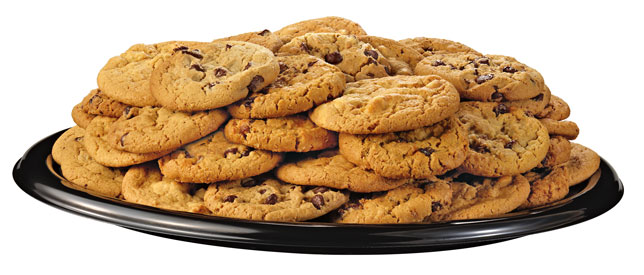
There has also been some studies which not only test to see if food does make people happy but also what food people consume depending on their current state. research has found that unhappy people tend to be attracted to ‘comfort food’ such as ice cream, chocolate, pasta and other sugary or high carbohydrate food which cheer people up for short periods of time (Makeeverybodyhappy.org, 2019). A study suggests these comfort foods make us happy as it triggers fond memories which makes comfort foods specific to individuals. (HowStuffWorks, 2019)
Here’s an interesting article which goes further in depth to the biological responses:
https://science.howstuffworks.com/life/food-happiness2.htm
References
Solomon, M., Russell-Bennet, R., & Previte, J. (2019). Consumer behaviour (4th ed.)
HowStuffWorks. (2019). Can food make people happy?. [online] Available at: https://science.howstuffworks.com/life/food-happiness2.htm [Accessed 6 May 2019].
Makeeverybodyhappy.org. (2019). Happiness and Food | Make Everybody Happy. [online] Available at: https://makeeverybodyhappy.org/happiness-and-food [Accessed 6 May 2019].

 Sparks Blog