Attitudes are reactions learned through experience which describe the emotions and behaviours towards a particular object. (Solomon, Russell-Bennet & Previte, 2019). There are many models which describe how an attitude is formed including the Fishbein Model which believes an attitude is formed based on the beliefs about an object and the evaluation of each attribute. This Multi-attribute attitude model contains three measurable components of attitude including; the beliefs a consumer has about an object which is considered during the evaluation, the probability that an object contains an important attribute, and the evaluation of each individual attribute that is important to the consumer
(Solomon, Russell-Bennet & Previte, 2019).
The consumers overall attitude towards an object can be calculated using the importance of the attribute given by the consumer, the belief regarding the degree of the attribute which the brand possesses, and the consumers overall ranking of the brand
(Solomon, Russell-Bennet & Previte, 2019).The extended Fishbein model incorporates the reasoned action. There is a big discussion around how decisions are affected by social interactions with consumers fearing how they may be perceived after making a purchase decision. The extended theory attempts to improve the ability to predict consumers behaviours based on the social aspects.
- Intentions vs behaviour: refers to the idea that people who have strong beliefs tend to be more consistent between their behaviours and attitudes
(Solomon, Russell-Bennet & Previte, 2019). - Social Pressures (or subjective norms): refer to the consumers perception of how they will be perceived by others (Chirr.nlm.nih.gov, 2019).
- Attitudes towards buying: refers to how consumers feel about perceived consequences of buying. This can refer to Normative beliefs which are similar to subjective beliefs but includes their motivation to conform with social norms or status. (Chirr.nlm.nih.gov, 2019) (Solomon, Russell-Bennet & Previte, 2019)
Subway somewhat conforms with Fishbein’s Model of Attitude as consumers decide whether to purchase their products based on their beliefs about an object, evaluation of each attribute and their overall attitude toward products or brand. As subway is a franchise, each store often has different things whether it be sauces, quality of food or employees. in my experience I have noticed across subway stores there are inconsistencies, some employees may be instructed to put less contents on sandwiches, contents may been made, cooked or cut differently and quality differs. Visiting a unfamiliar store can affect a consumers attitude as they may be unaware of quality, as they may have seen inconsistencies in the past like I have. Thankfully Subway have all their salads and contents on display so consumers can have a more accurate evaluation of products before determining purchase intention.

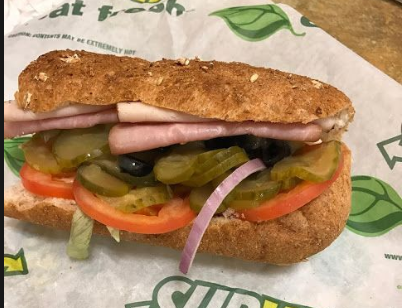
As for the extended Model, it doesn’t really conform besides the fact that other consumers could affect the decision, if a consumer is in a group they may be subjected to norms such as choosing McDonalds as an alternative to Subway, often in groups consumers will stick together unless of course they have strong beliefs and choose Subway over competitors like Mcdonalds more often they may continue to choose Subway even though the rest of the group has decided on McDonalds. This also means they don’t consider social pressures and normative beliefs in their purchasing decision.
References
Solomon, M., Russell-Bennet, R., & Previte, J. (2019). Consumer behaviour (4th ed.)
Chirr.nlm.nih.gov. (2019). Consumer Health Informatics Research Resource – Subjective Norm. [online] Available at: https://chirr.nlm.nih.gov/subjective-norm.php [Accessed 14 May 2019].


 Sparks Blog